
How Routine Pest Control Helps Prevent Major Infestations
Routine pest control by local service providers helps prevent major infestations by regularly eliminating pests before they can multiply and cause significant damage.
Understanding how routine pest control helps prevent major infestations is essential for property owners seeking to protect their homes and businesses. Regular pest management services by local contractors can identify early signs of pest activity, addressing issues before they escalate into costly and difficult-to-manage infestations. This proactive approach not only minimizes property damage but also reduces the risk of pests spreading to other areas, making it a practical choice for those wanting to maintain a safe and pest-free environment.
For many property owners in the area, exploring routine pest control is a smart step toward long-term pest prevention. Local service providers offer tailored treatments that target common pests and their entry points, helping to keep properties secure and comfortable. By establishing a consistent pest management routine, property owners can stay ahead of potential problems and enjoy peace of mind, knowing that trained professionals are helping to keep major infestations at bay. Keep reading to learn more about how routine pest control can be an effective part of pest prevention strategies.
- General pest prevention - local contractors implement routine pest control to stop pests before they establish large populations.
- Seasonal pest management - local service providers offer scheduled treatments to address pests that emerge during specific times of the year.
- Infestation risk reduction - local pros apply preventative measures to minimize the likelihood of major pest problems developing.
- Structural pest protection - routine pest control helps maintain the integrity of a building by preventing pests from damaging the structure.
- Property value preservation - regular pest management by local contractors helps avoid costly infestations that can impact property worth.

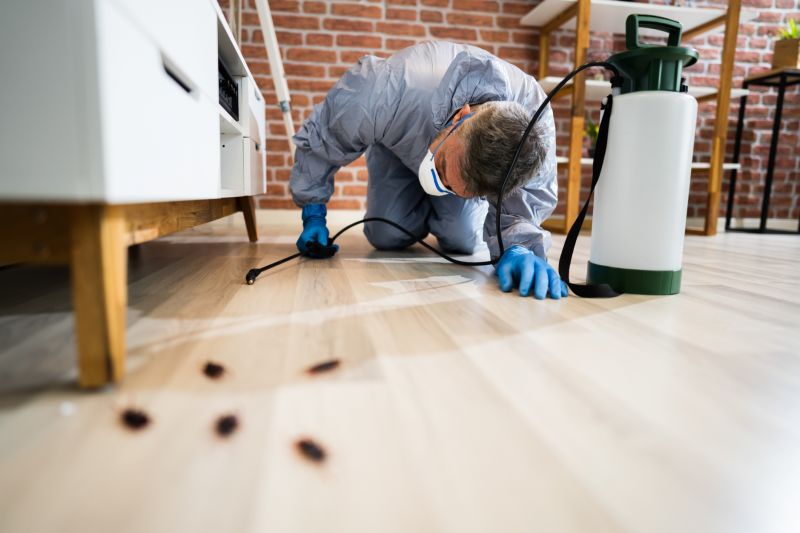
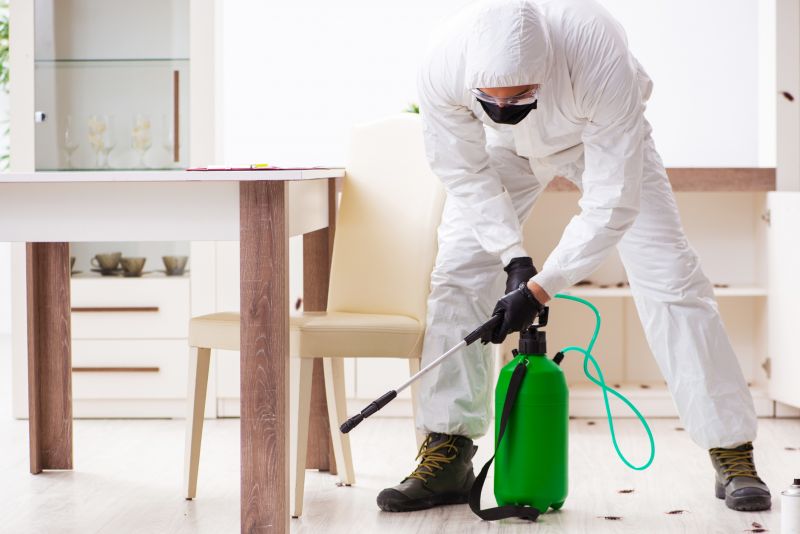
When people search for how routine pest control helps prevent major infestations, they are often looking for ways to keep their homes free from disruptive and costly pest problems. This topic typically relates to ongoing prevention strategies rather than reactive treatments after an infestation has occurred. Homeowners may be concerned about common pests such as ants, cockroaches, spiders, or rodents, and want to understand how regular pest control services can help keep these pests at bay. The focus is on establishing a proactive plan that minimizes the risk of pests establishing themselves deeply within the property, which can lead to significant issues down the line.
Routine pest control is closely connected to a property’s overall pest management plan, especially in areas where pests tend to be persistent or seasonal. Regular treatments not only eliminate existing pests but also create a barrier that discourages new ones from entering or settling in. This ongoing approach can prevent minor pest sightings from escalating into full-blown infestations that are more difficult and expensive to control. Homeowners often relate this to protecting their living spaces, food sources, and structural integrity, recognizing that consistent pest control efforts are a key part of maintaining a pest-free environment.
The types of properties that typically come up in discussions about routine pest control include single-family homes, apartment complexes, condominiums, and small commercial buildings. These properties often have varying levels of exposure to pests, influenced by their location, landscaping, and construction features. For example, homes near wooded areas or with accessible crawl spaces may be more vulnerable to certain pests. Routine pest control services are designed to adapt to these different property types, offering tailored treatments that address specific risks. Local service providers are skilled at assessing each property’s unique needs and implementing preventative measures that help keep pests outside and away from the interior living spaces.
Understanding how routine pest control fits into real projects involves recognizing the importance of regular visits and targeted treatments. Homeowners can work with local contractors to develop a customized plan that fits their property’s layout and pest concerns. These professionals typically focus on common entry points, such as gaps around doors, windows, and utility lines, as well as exterior landscaping that might attract pests. By establishing a consistent schedule, routine pest control helps create a protective barrier that prevents pests from gaining a foothold. This proactive approach can save homeowners from the disruption, damage, and health risks associated with major infestations, making regular pest control an essential part of property maintenance.
Termite Inspection and Treatment - Professionals conduct thorough inspections and treatments to identify and eliminate termite activity, helping to prevent infestations that can compromise structures.
Rodent Control Projects - Local contractors implement trapping, sealing, and baiting strategies to control rodent populations and prevent them from establishing major infestations.
Spider and Insect Barrier Services - Service providers apply barriers and treatments that deter spiders and other insects, reducing the risk of larger pest problems developing over time.
Mosquito and Flea Control - Experts use targeted treatments to control mosquito and flea populations, which can lead to larger infestations if left unmanaged.
Wildlife Removal Services - Trained professionals safely remove and exclude wildlife such as raccoons or squirrels, preventing them from creating nesting sites that could lead to major pest issues.
Preventive Pest Management Planning - Local contractors develop customized plans that include routine inspections and treatments to intercept pest problems early and avoid major infestations.
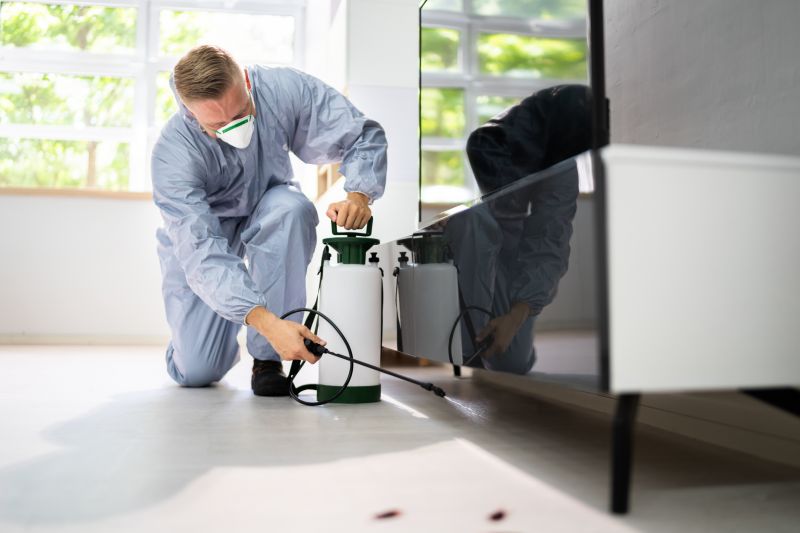
When comparing local contractors for routine pest control services, it is important to consider their experience with similar projects. An experienced service provider will have a thorough understanding of common pests in the area and the most effective methods to prevent major infestations. They can offer insights into the best practices for maintaining a pest-free environment and are more likely to have refined their techniques over time to ensure consistent results. Reviewing their history with comparable homes or properties can provide a clearer picture of their expertise and reliability.
Clear written expectations are essential when evaluating potential service providers. A reputable contractor will be able to clearly articulate what routine pest control entails, including the scope of work, frequency of treatments, and any necessary preparations or follow-up actions. Having detailed, written information helps ensure that both parties are aligned on what is included in the service and can prevent misunderstandings. This transparency allows homeowners to make informed decisions and select a provider who communicates openly and effectively.
Reputable references and good communication are also key factors to consider. Service providers with positive references from past clients demonstrate a track record of satisfied customers and successful pest prevention efforts. Additionally, a contractor who maintains open, responsive communication can address questions or concerns promptly, fostering trust and confidence in their services. These qualities indicate a professional approach and a commitment to delivering routine pest control that effectively helps prevent major infestations.
Property owners often search for how routine pest control helps prevent major infestations when they are planning practical projects around their homes and businesses. Local pros provide Routine Pest Control services for everyday jobs and straightforward project options.

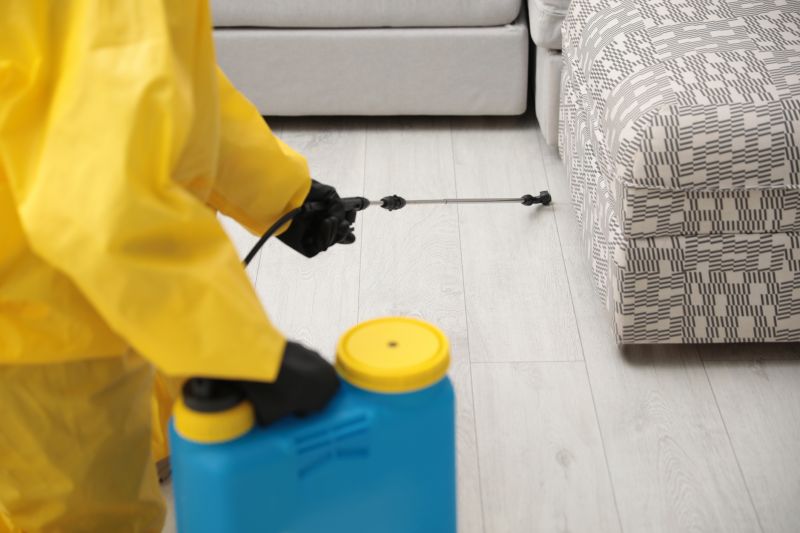
Routine pest control plays a vital role in maintaining a pest-free property by addressing potential issues before they escalate into major infestations. Property owners in the area often seek out regular services from local contractors to help manage common pests such as ants, spiders, and rodents, which can quickly multiply if left unchecked. By implementing scheduled treatments, these service providers can help identify early signs of pest activity and apply preventative measures that keep pests at bay, reducing the likelihood of a sudden and overwhelming invasion.
Many property owners recognize that consistent pest control is an effective way to protect their homes and businesses from costly damage and health concerns associated with infestations. Regular visits from local service providers ensure that pest prevention strategies are maintained and adjusted as needed, addressing the unique challenges of the local environment. This proactive approach helps prevent pests from establishing themselves deeply within structures, making it easier to manage and eliminate problems before they become difficult and expensive to resolve.
How does routine pest control help prevent major infestations? Routine pest control services target pests early, reducing their populations before they become large-scale problems, which helps prevent major infestations from developing.
Why is consistent pest control important for infestation prevention? Consistent treatments maintain a barrier against pests, addressing new or recurring issues promptly and minimizing the risk of an infestation taking hold.
How do local contractors identify pest issues during routine visits? Local service providers regularly inspect properties for signs of pests and potential entry points, allowing them to address issues before they escalate into major infestations.
Can routine pest control eliminate pests before they cause damage? Yes, regular pest management can reduce pest populations early, preventing damage to property and reducing the chance of a full-blown infestation.
What role do pest control treatments play in long-term infestation prevention? Treatments help establish ongoing protection, discouraging pests from establishing colonies and helping maintain a pest-free environment over time.
Regular inspections - routine pest control services include scheduled inspections that help identify early signs of pest activity before an infestation develops.
Preventive treatments - applying preventive treatments around the property can deter pests from entering and establishing nests.
Sanitation advice - local contractors can offer tips on reducing attractants like food debris and clutter that invite pests.
Monitoring and maintenance - ongoing monitoring ensures pests are kept in check, reducing the risk of major infestations over time.
If you are thinking about how routine pest control helps prevent major infestations for a property, this guide is meant to help you understand this topic, the typical project types, and how different options might fit your plans.
When you are ready, you can use the quote form on this page to share a few details about your project. From there, local pros can review the basics and follow up with options that match what you have in mind.