
Common Areas Roaches Hide
To eliminate common areas roaches hide, local pest control service providers can identify and treat these hidden spots effectively.
Understanding where common areas roaches hide is a crucial step for property owners dealing with pest concerns. These pests often seek shelter in dark, hidden spots that are difficult to spot without a thorough inspection. For those managing multi-unit buildings, commercial spaces, or shared living environments, recognizing these common hiding spots can be key to preventing infestations and maintaining a clean, pest-free space. Local service providers specializing in roach pest control have the expertise to identify these areas and develop targeted strategies to eliminate roaches from even the most hidden corners.
Property owners in the area who want to address roach issues effectively often turn to experienced local contractors for help. These professionals understand the common areas roaches tend to hide and use proven methods to treat infestations comprehensively. Whether it’s inspecting behind appliances, within wall voids, or in other concealed locations, local pros provide tailored solutions that can help keep these pests out of sight and out of mind. Keep reading to learn more about how expert pest control services can assist in managing roach hideouts and protecting your property.
- Common areas roaches hide - property owners dealing with infestations in shared spaces can rely on local contractors to identify and treat hidden roach habitats effectively.
- Common areas roaches hide - in buildings where roaches are suspected to conceal in wall voids or behind appliances, local pros use targeted methods to eliminate these hard-to-reach areas.
- Common areas roaches hide - pest control specialists can assess common spaces such as hallways and storage rooms to locate and address roach hiding spots.
- Common areas roaches hide - when roaches are seen in communal areas, local service providers implement strategies to treat common hiding spots and prevent future infestations.
- Common areas roaches hide - property managers seeking to maintain pest-free shared environments can work with local pros experienced in treating concealed roach populations.
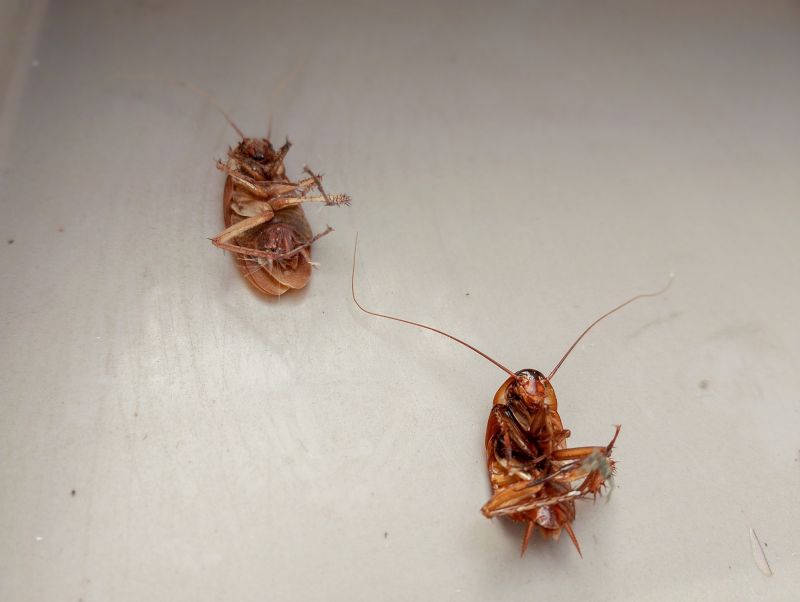
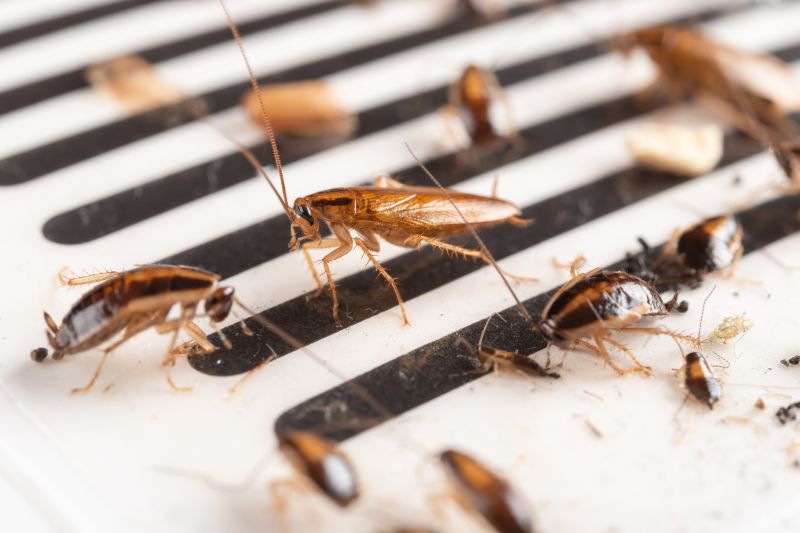
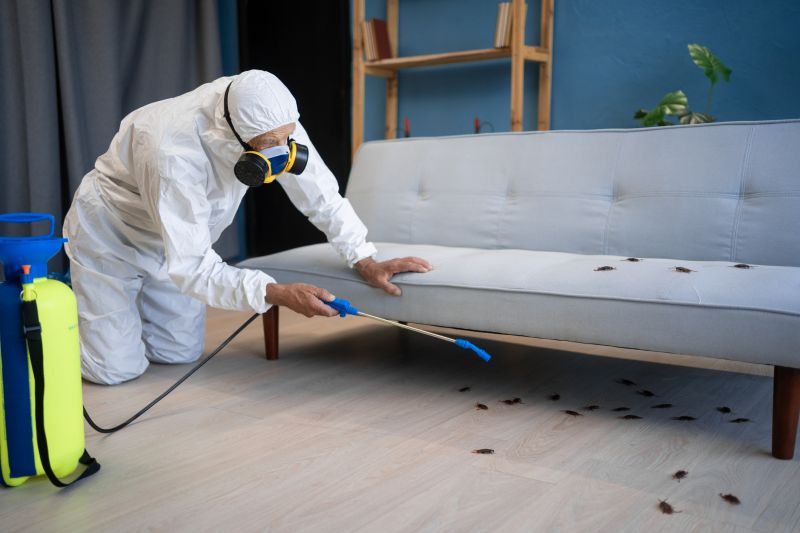
When people search for information about common areas roaches hide, they are typically trying to understand where these pests tend to settle in residential or commercial properties. Roaches are known for their ability to thrive in hidden, undisturbed spots that are often out of sight. Common hiding spots include cracks and crevices near sinks, behind appliances, inside cabinets, and within wall voids. Homeowners and property managers often want to identify these areas to better target their pest control efforts and prevent infestations from spreading. Recognizing where roaches prefer to hide helps in planning effective treatments and reducing the chances of recurring problems.
This topic is closely related to problems such as ongoing infestations, sanitation concerns, and the need for integrated pest management plans. Roaches in common hiding areas can quickly lead to larger infestations if not addressed promptly. Many property owners consider pest control strategies as part of their maintenance routines, especially when dealing with persistent pests that seem to appear out of nowhere. Local service providers specializing in roach pest control are often called upon to inspect these hidden spaces, assess the severity of the problem, and implement targeted treatments. Understanding where roaches hide allows these professionals to deliver more effective solutions that reach the pests in their most protected spots.
The types of properties where common areas roaches hide tend to be diverse, including single-family homes, apartment complexes, multi-unit buildings, restaurants, and retail spaces. In residential settings, kitchens and bathrooms are prime locations because of the moisture and food sources available. In commercial properties, especially food service establishments, roaches may hide behind equipment, inside storage areas, or within wall voids. Multi-unit buildings often see infestations spreading from one unit to another through shared walls and plumbing. Recognizing the property types most affected helps homeowners and property managers understand the importance of routine inspections and targeted pest control measures carried out by experienced service providers.
For homeowners and property owners, understanding common areas where roaches hide is essential for effective pest management. Local pros can perform thorough inspections to identify these hidden spots and develop tailored treatment plans that target the pests where they live and breed. Properly addressing these areas can significantly reduce the likelihood of recurring infestations and improve overall property hygiene. Connecting with experienced pest control service providers ensures that the problem is handled efficiently, with treatments designed to reach into the cracks, crevices, and concealed spaces where roaches tend to hide. This proactive approach helps maintain a cleaner, healthier environment and minimizes the impact of these resilient pests.
Building inspections - professionals assess common areas to identify potential hiding spots for roaches, helping to develop targeted pest management plans.
Sanitation services - cleaning experts remove debris and clutter in shared spaces, reducing the places where roaches can hide and thrive.
Structural repairs - contractors address cracks, gaps, and entry points in walls and floors that roaches use as hiding spots in common areas.
Ventilation system maintenance - specialists ensure airflow is unobstructed, which can help prevent roach infestations in hidden areas.
Storage area management - providers organize and secure shared storage spaces to limit roach access and hiding opportunities.
Pest exclusion services - experts seal entry points and vulnerable areas to prevent roaches from establishing themselves in common spaces.
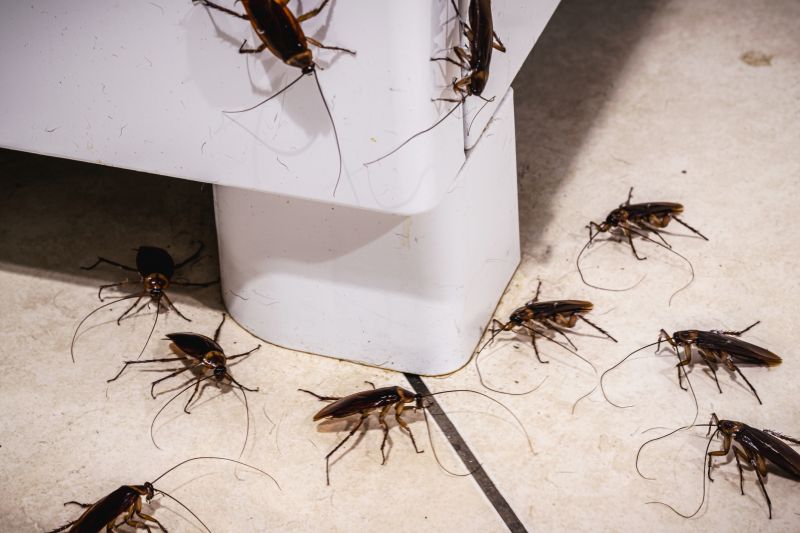
When evaluating service providers for roach pest control, especially in areas where common areas roaches tend to hide, experience with similar projects can be a valuable indicator of a contractor’s capability. Homeowners should inquire about the types of properties and specific issues the contractor has handled in the past, ensuring they have relevant experience addressing roaches in shared or communal spaces. A contractor’s familiarity with the unique challenges of common areas-such as concealed hiding spots and high-traffic zones-can influence the effectiveness of the treatment plan and overall results.
Clear and detailed written expectations are essential when comparing local contractors for roach pest control. Homeowners should seek providers who can articulate their approach, including inspection procedures, targeted treatment methods, and follow-up steps. This transparency helps ensure everyone is aligned on what the service will entail and what outcomes to anticipate. Having these expectations documented also provides a basis for evaluating whether a contractor’s scope of work matches the specific needs of areas where roaches hide, especially in complex or hard-to-reach spaces.
Reputable references and effective communication are key factors in choosing the right service provider. Homeowners are encouraged to ask for references from past clients who had similar issues with common areas roaches, to gain insights into the contractor’s reliability and the success of their treatments. Good communication throughout the process-such as prompt responses to questions and clear explanations of treatments-can help build confidence and ensure that expectations are met. These qualities often reflect a contractor’s professionalism and commitment to delivering quality pest control services tailored to the unique challenges of hiding spots in shared spaces.
Property owners often search for common areas roaches hide when they are planning practical projects around their homes and businesses. Local pros provide Roach Pest Control services for everyday jobs and straightforward project options.
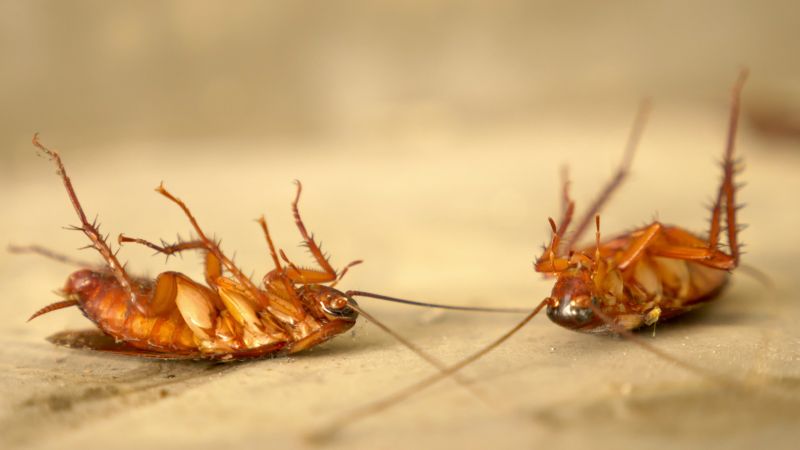
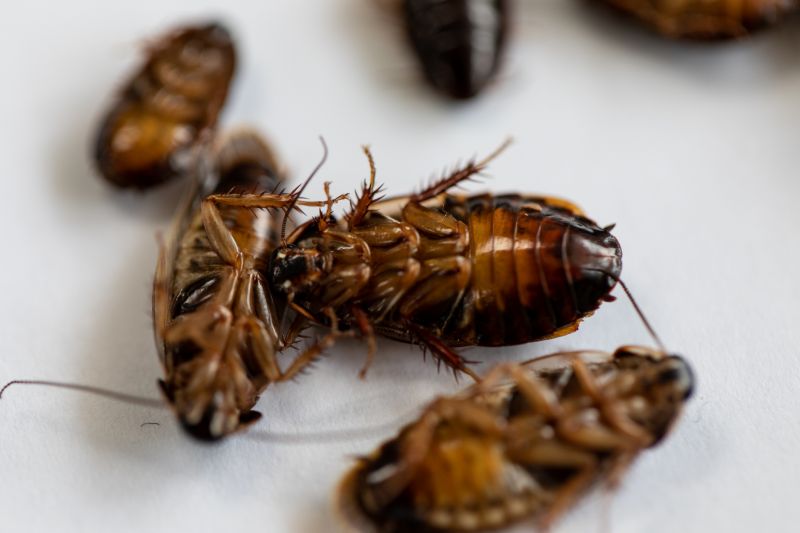
Understanding where roaches tend to hide in common areas is essential for property owners dealing with infestations. These pests often seek refuge in dark, cluttered, or moist spaces such as behind appliances, under sinks, in cabinets, or within wall voids. Recognizing these typical hiding spots can help residents and managers identify problem areas early and take proactive steps to address the issue. When roaches are suspected in shared spaces or hidden corners, seeking assistance from local contractors experienced in pest control can be an effective way to eliminate the problem and prevent future infestations.
Property owners in the area might look up this topic to learn how to better manage or prevent roach activity in communal spaces like hallways, laundry rooms, or storage areas. Since roaches conceal themselves in hard-to-reach spots, professional pest control services offered by local providers can target these hidden areas efficiently. Connecting with local service providers ensures that treatment methods are tailored to the specific hiding spots common in the property’s layout, helping to restore a clean and pest-free environment.
Where do roaches typically hide in common areas? Roaches often hide behind appliances, in cracks and crevices, under sinks, and within cabinets in common areas such as kitchens and laundry rooms.
Why are common areas attractive to roaches? Common areas provide ample food sources, moisture, and shelter, making them ideal hiding spots for roaches seeking safety and sustenance.
How can local service providers help eliminate roach hiding spots? Local contractors can identify and treat common hiding areas with targeted pest control methods to reduce roach populations effectively.
Are there specific signs that indicate roaches are hiding in common areas? Signs include droppings, shed skins, a musty odor, and sightings of live roaches, especially near potential hiding spots in shared spaces.
What steps can be taken to prevent roaches from hiding in common areas? Regular cleaning, sealing cracks, removing clutter, and scheduling professional pest control treatments can help keep roaches from finding hiding spots in shared spaces.
Identify common hiding spots - property owners can inspect areas like cabinets, sinks, and appliances to locate where roaches may be hiding.
Reduce clutter in shared spaces - clearing clutter in common areas can eliminate potential roach hiding places and improve pest control effectiveness.
Seal entry points and cracks - sealing gaps around pipes, vents, and baseboards helps prevent roaches from accessing and hiding in these areas.
Schedule professional treatments regularly - working with local contractors for routine pest control can target roaches hiding in hard-to-reach common areas.
If you are thinking about common areas roaches hide for a property, this guide is meant to help you understand this topic, the typical project types, and how different options might fit your plans.
When you are ready, you can use the quote form on this page to share a few details about your project. From there, local pros can review the basics and follow up with options that match what you have in mind.